Emergency water removal tips for Georgia homeowners
Discover crucial emergency water removal tips for Georgia homeowners to protect your property from water damage.
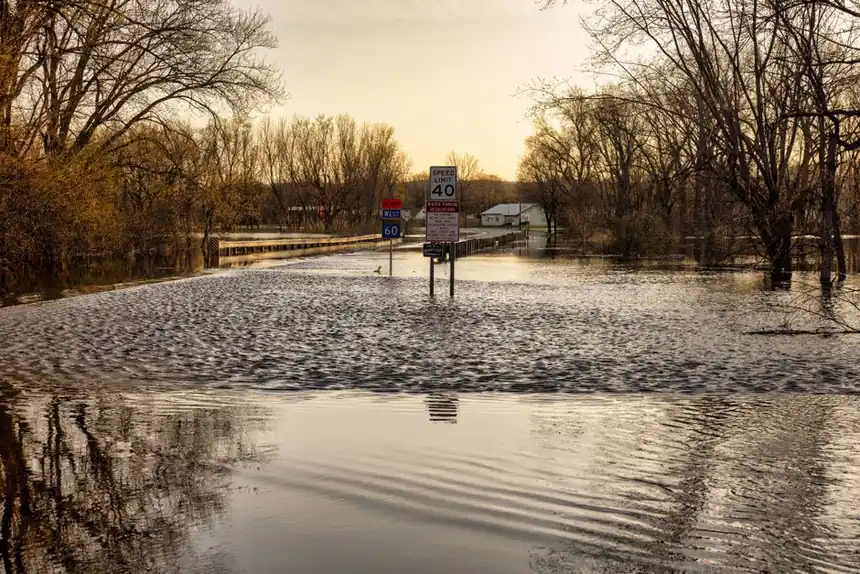
Emergency water removal is crucial for homeowners in Georgia to prevent extensive damage. Acting quickly can save your property from mold and structural issues.
Understanding the right steps to take during a water emergency can make all the difference. This guide provides essential tips for effective water removal, what to avoid, and when to seek professional help.
What is Emergency Water Removal?
Emergency water removal is a critical process that involves extracting water from your home immediately after a leak, flood, or other water intrusion. This process is essential to mitigate damage and prevent mold growth.
Why is Emergency Water Removal Important?
In Georgia, where humidity levels can exacerbate water damage, timely water removal is vital. Delaying this process can lead to costly repairs, mold infestations, and even health risks associated with damp environments.
Immediate Steps to Take After Water Damage
When faced with water damage, follow these immediate steps:
- Shut Off Water Supply: If the source of the water is a leak or burst pipe, turn off the water supply immediately.
- Turn Off Electricity: To prevent electrical hazards, switch off the power in affected areas.
- Remove Excess Water: Use towels, mops, or a wet/dry vacuum to remove standing water.
- Dry the Area: Open windows and doors to increase air circulation. Use fans or dehumidifiers to expedite drying.
- Document Damage: Take photos of the damage for insurance claims.
For severe cases, consider contacting Emergency Water Removal in Georgia for immediate assistance.
Common Mistakes to Avoid During Water Removal
Homeowners often make critical errors during emergency water removal. Here are common mistakes to avoid:
- Ignoring Safety Precautions: Always wear protective gear, especially if the water is contaminated.
- Overlooking Hidden Water: Water can seep into walls, flooring, and furniture. Ensure thorough inspection and drying.
- Using Heat Sources: Avoid using heat guns or hair dryers, as they can damage materials and promote mold growth.
When to Call a Professional
Knowing when to call a professional can save you time and money. If you experience extensive flooding, sewage backup, or if mold begins to develop, it's time to contact Advanced Property Restoration Services. Our team specializes in Flood Damage Cleanup in Georgia and can help restore your home efficiently.
Frequently Asked Questions
1. How quickly should I act after water damage? You should act within hours of water intrusion to minimize damage and prevent mold growth.
2. Can I handle water removal myself? Minor leaks can be managed by homeowners, but significant flooding often requires professional help.
3. What are the costs associated with emergency water removal? In Georgia, typical costs for emergency water removal can range from $1,000 to $5,000 depending on the extent of the damage.
4. How can I prevent future water damage? Regularly inspect plumbing and roofs, and consider installing sump pumps or drainage systems.
5. Is my homeowner's insurance likely to cover water damage? Coverage varies by policy; it's essential to check with your insurance provider regarding specific terms.