How to prevent burst pipes during Georgia winters
Discover essential tips to prevent burst pipes during the winter months in Georgia, ensuring your home stays safe and dry.
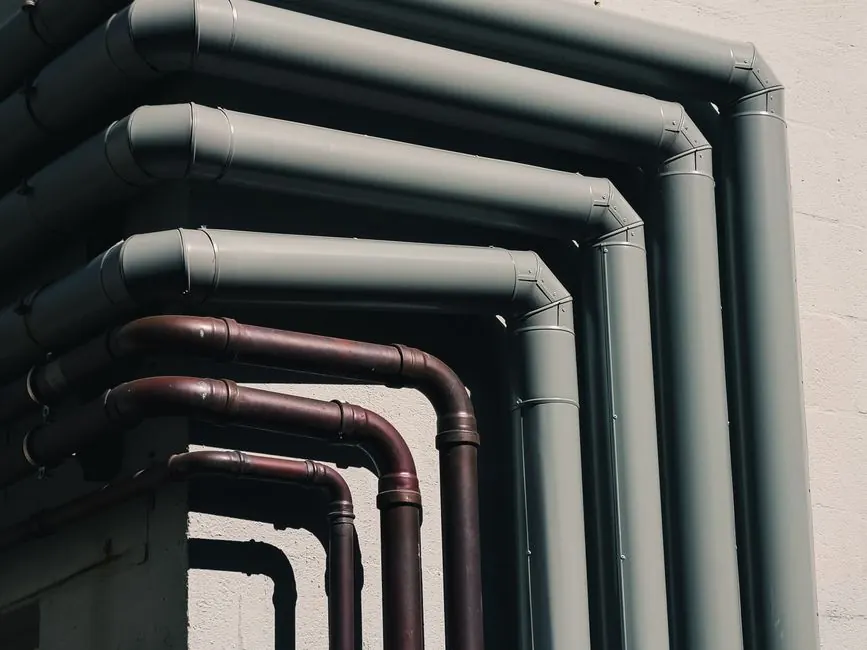
Burst pipes during winter can lead to significant water damage in homes across Georgia. To prevent this costly issue, homeowners should take proactive measures to protect their plumbing systems. This article will explore the causes of burst pipes, offer practical prevention tips, and provide guidance on when to seek professional help from Water Damage Restoration services in Georgia.
Why Do Pipes Burst in Winter?
Burst pipes occur when water inside the pipes freezes and expands, causing the pipes to crack or break. This typically happens in uninsulated or poorly insulated areas of a home, such as basements, attics, or exterior walls. As temperatures drop, the risk of burst pipes increases, especially if the water inside is not flowing.
How Cold Does It Get in Georgia?
While Georgia is known for its mild winters, temperatures can still drop significantly, particularly in the northern regions. Average winter temperatures can range from the low 30s to the mid-40s Fahrenheit. During particularly cold spells, temperatures can dip below freezing, increasing the risk of frozen pipes. Homeowners in areas like Water Damage Restoration in Atlanta should be especially vigilant during these periods.
Tips for Preventing Burst Pipes
Implementing a few simple strategies can significantly reduce the risk of burst pipes during the winter months:
- Insulate Pipes: Use foam insulation sleeves or wraps on pipes in unheated areas of your home. This is especially important for pipes in attics, basements, and exterior walls.
- Keep the Heat On: Maintain a consistent temperature in your home, even when you're away. Set the thermostat to at least 55°F.
- Let Faucets Drip: Allow a slow drip from faucets connected to pipes that run through unheated spaces. This keeps water flowing and reduces the chance of freezing.
- Seal Cracks and Openings: Inspect your home for drafts and seal any cracks or openings around windows, doors, and sill plates. This prevents cold air from reaching your pipes.
- Open Cabinet Doors: If you have plumbing under sinks, especially on exterior walls, open the cabinet doors to allow warm air to circulate around the pipes.
- Disconnect Hoses: Drain and disconnect garden hoses before winter. This prevents water from freezing in the hose and backflowing into the pipes.
Common Mistakes to Avoid
Homeowners often make several mistakes that can lead to burst pipes. Here are some common pitfalls to avoid:
- Failing to insulate pipes properly, especially in vulnerable areas.
- Setting the thermostat too low when away from home.
- Ignoring signs of leaks or moisture in the home.
- Neglecting routine plumbing maintenance, such as checking for corrosion or wear.
- Assuming that mild winters mean no risk for freezing pipes.
When to Call a Professional
If you suspect that your pipes may have frozen or burst, it's essential to call a professional immediately. Advanced Property Restoration Services can assist with Burst Pipe Cleanup in Georgia. Our team is trained to handle water damage restoration quickly and efficiently, minimizing the impact on your home.
Frequently Asked Questions
- What temperature causes pipes to freeze? Pipes can freeze when temperatures drop to 20°F or lower, especially if they are not insulated.
- How can I tell if my pipes are frozen? Signs of frozen pipes include a lack of water flow, unusual sounds from the plumbing, or frost on the pipes.
- Can I thaw frozen pipes myself? Yes, you can try to thaw them using a hairdryer or heat tape, but if you suspect a burst, call a professional.
- What should I do if my pipe bursts? Turn off the water supply immediately and contact a professional for cleanup and repairs.
- How much does water damage restoration cost? Typical 2026 pricing for water damage restoration in Georgia ranges from $1,500 to $3,500, depending on the severity of the damage.