Signs of mold growth after water damage in Georgia homes
Learn to identify the signs of mold growth in Georgia homes after water damage, and understand when to seek professional help.
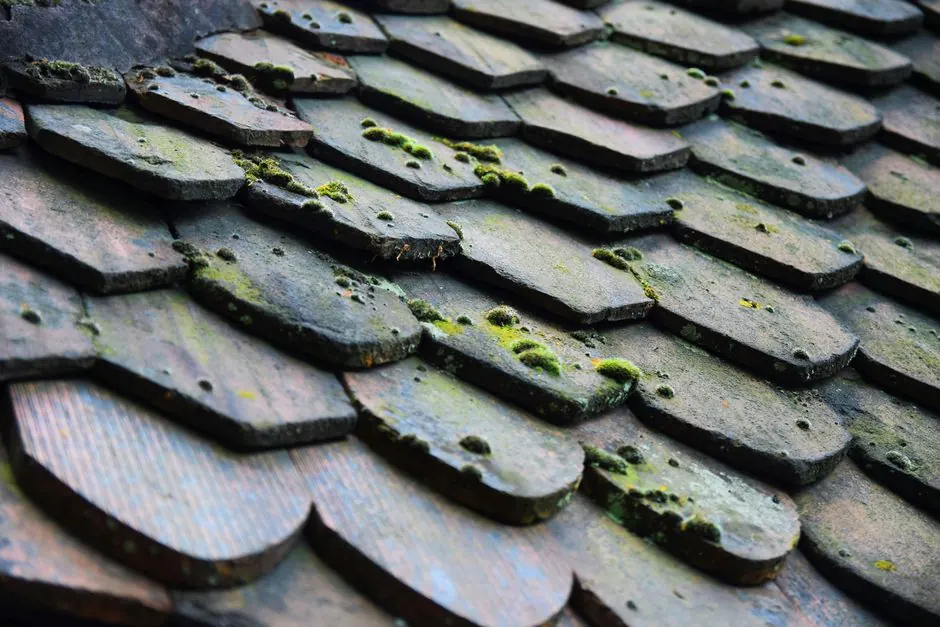
Mold growth in Georgia homes often appears within 24 to 48 hours after water damage occurs. Recognizing the signs early can prevent extensive damage and health risks.
Mold growth is a type of fungal growth that thrives in moist environments, often resulting from water damage or high humidity levels. In Georgia, where humidity is prevalent, homes are particularly vulnerable to mold after incidents like flooding or leaks.
Common Signs of Mold Growth
Homeowners in Georgia should be vigilant for several signs indicating mold growth. These include:
- Visible mold spots on walls, ceilings, or floors.
- A musty odor that persists, even when the source of moisture is removed.
- Increased allergy symptoms, such as sneezing or itchy eyes, especially in specific areas of the home.
- Water stains or discoloration on surfaces.
- Condensation on windows or walls.
If you notice any of these signs, it's crucial to act quickly. Mold can spread rapidly, and its removal often requires professional Mold Remediation in Georgia.
Factors Contributing to Mold Growth
Several factors can exacerbate mold growth in homes across Georgia. High humidity levels, often exceeding 60%, create an ideal environment for mold. Other contributing factors include:
- Water leaks from pipes or roofs.
- Flooding events, particularly in areas prone to heavy rainfall.
- Poor ventilation in attics, basements, and bathrooms.
- Condensation from appliances like dryers and refrigerators.
Understanding these factors can help homeowners take preventive measures. Regular maintenance, such as checking for leaks and ensuring proper ventilation, is essential.
Health Risks Associated with Mold
Mold exposure can lead to various health issues, particularly for sensitive individuals. Common health risks include:
- Respiratory problems, such as asthma and bronchitis.
- Allergic reactions, including sneezing, runny nose, and skin rashes.
- Infections in individuals with weakened immune systems.
In Georgia, where mold thrives in humid conditions, awareness of these health risks is vital. If mold is suspected, especially in homes with young children or elderly residents, immediate action is necessary.
How to Prevent Mold Growth
Preventing mold growth in Georgia homes involves several proactive measures:
- Keep indoor humidity levels below 60% using dehumidifiers.
- Fix leaks promptly and ensure proper drainage around the home.
- Improve ventilation in high-moisture areas like bathrooms and kitchens.
- Use mold-resistant products when renovating or building.
Implementing these strategies can significantly reduce the risk of mold growth after water damage.
When to Call a Professional
Homeowners should consider contacting a professional when mold is visible or when health symptoms arise. Advanced Property Restoration Services offers expert Emergency Water Removal in Georgia and mold remediation services to address these issues effectively.
Frequently Asked Questions
1. How quickly can mold grow after water damage?
Mold can begin to grow within 24 to 48 hours after water damage occurs.
2. What are the health risks of mold exposure?
Mold exposure can cause respiratory issues, allergic reactions, and infections, especially in sensitive individuals.
3. How can I prevent mold growth in my home?
Maintain humidity levels below 60%, fix leaks promptly, and improve ventilation in moisture-prone areas.
4. When should I call a professional for mold removal?
Contact a professional if you see visible mold, experience health symptoms, or if the affected area is large.
5. What does mold remediation involve?
Mold remediation typically includes assessment, containment, removal, and cleaning to ensure the area is safe and mold-free.