Top 5 water damage restoration regulations every homeowner in Georgia should know
Learn about essential water damage restoration regulations that every Georgia homeowner should be aware of to ensure proper recovery and compliance.
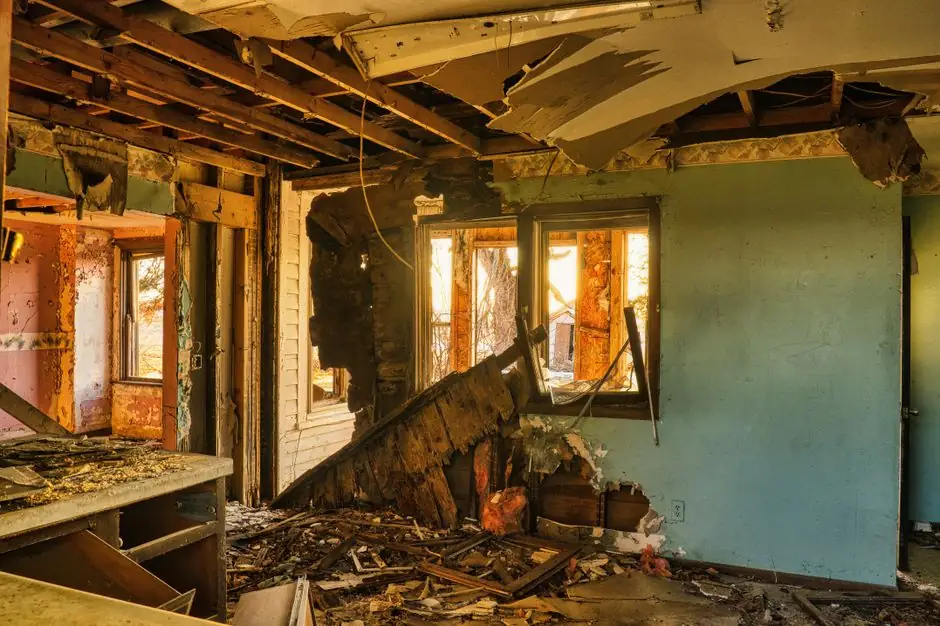
Water damage restoration regulations are critical for homeowners in Georgia to understand, as they dictate how to properly address and remediate water damage. Knowing these regulations not only protects your property but also ensures compliance with state laws.
This article will explore the top five water damage restoration regulations that every homeowner in Georgia should be aware of, along with insights on their importance and common pitfalls to avoid.
What is water damage restoration?
Water damage restoration is the process of repairing and restoring a property that has been affected by water intrusion. This can occur due to various reasons, including flooding, burst pipes, or leaks. Proper restoration is essential to prevent further damage and health risks associated with mold and mildew.
Why are water damage restoration regulations important?
Understanding water damage restoration regulations is crucial for homeowners in Georgia because they provide guidelines to ensure safety, health, and environmental protection. Compliance with these regulations helps prevent legal issues and ensures that restoration work is conducted efficiently and effectively.
What are the top 5 water damage restoration regulations?
The following are five essential regulations that Georgia homeowners should know:
- Licensing Requirements: All water damage restoration contractors must be licensed in Georgia. This ensures that they have met the necessary training and competency standards to perform restoration work.
- Insurance Coverage: Contractors must carry liability insurance, which protects homeowners from potential damages during the restoration process. Verify that your contractor has adequate coverage before hiring them.
- Health and Safety Standards: The Georgia Department of Public Health mandates that restoration work must adhere to specific health and safety standards to protect both workers and residents from hazardous materials.
- Environmental Regulations: Homeowners should be aware of regulations regarding the disposal of materials affected by water damage, especially if they contain hazardous substances. Proper disposal prevents environmental contamination.
- Mold Remediation Guidelines: If mold is present due to water damage, restoration professionals must follow strict guidelines for mold remediation to ensure the safety of occupants and prevent further spread.
For homeowners in Atlanta, understanding these regulations is vital, especially given the city's susceptibility to heavy rains and flooding.
Common mistakes to avoid in water damage restoration
Homeowners often make several mistakes when dealing with water damage, including:
- Delaying the restoration process, which can lead to further damage and increased costs.
- Choosing unlicensed contractors, which can result in subpar work and legal issues.
- Ignoring mold growth, which poses significant health risks.
To avoid these pitfalls, engage a reputable company like Emergency Water Removal in Georgia that understands the regulations and best practices in water damage restoration.
When to call a professional
Homeowners should call a professional whenever they experience significant water damage that exceeds their ability to manage. This includes instances of flooding, extensive mold growth, or structural damage. Advanced Property Restoration Services can provide expert help tailored to your situation.
Frequently Asked Questions
1. What should I do immediately after water damage? You should turn off the water source, remove valuables, and contact a professional for Flood Damage Cleanup in Georgia.
2. How long does water damage restoration take? The duration can vary based on the extent of the damage, but typical restoration takes 3-7 days.
3. Is mold a concern after water damage? Yes, mold can develop within 24-48 hours after water exposure, making prompt action essential.
4. What are the costs associated with water damage restoration? In 2026, costs can range from $1,500 to $5,000 depending on the severity of the damage and required services.
5. How can I prevent future water damage? Regular maintenance, such as checking for leaks and ensuring proper drainage, can help prevent future issues.