Why is my basement flooding after heavy rain in Georgia?
Learn the reasons behind basement flooding in Georgia after heavy rain and how to prevent it.
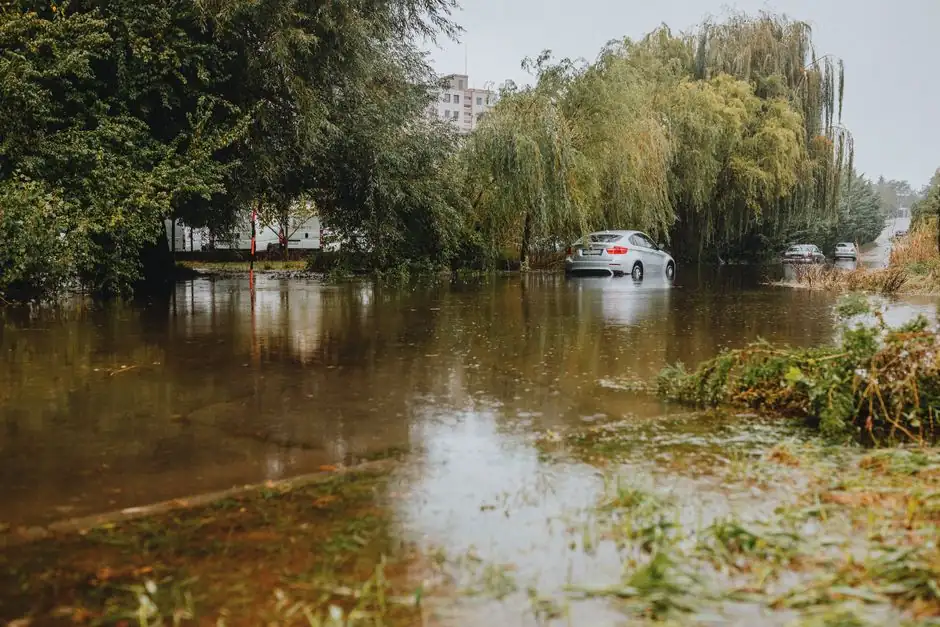
Basement flooding after heavy rain in Georgia can result from several factors, including poor drainage, foundation issues, or inadequate waterproofing. Understanding these causes can help you effectively address the problem and prevent future occurrences.
Basement flooding is a significant concern for homeowners, especially during heavy rain. This issue can lead to property damage, mold growth, and costly repairs if not addressed promptly. In this article, we will explore the reasons behind basement flooding in Georgia, the common causes, and what steps you can take to mitigate the risk.
Understanding Basement Flooding
Basement flooding refers to the accumulation of water in the basement area of a home, often resulting from external factors like heavy rainfall or internal issues such as plumbing failures. In Georgia, where heavy rains are not uncommon, understanding how these factors interact with your home's structure is crucial.
Common Causes of Basement Flooding
Several factors can contribute to basement flooding in Georgia:
- Heavy Rainfall: Intense storms can overwhelm drainage systems, leading to water accumulation.
- Ground Saturation: Prolonged rainfall can saturate the soil around your home, increasing the risk of water seeping into the basement.
- Foundation Cracks: Cracks or gaps in the foundation can allow water to enter, especially during heavy rains.
- Improper Grading: If the land around your home slopes towards the foundation, it can direct water into the basement.
- Blocked Gutters: Clogged gutters can cause water to overflow and pool near the foundation.
Addressing these issues promptly can help prevent flooding. For instance, ensuring your gutters are clear and your landscaping is graded properly can make a significant difference.
How Heavy Rain Impacts Basements
Heavy rain can significantly impact basements in Georgia by overwhelming drainage systems and saturating surrounding soil. When the ground becomes too saturated, water can find its way into your basement through cracks in the foundation or through porous materials.
In addition to direct water intrusion, heavy rains can also lead to increased humidity levels in your basement. This can create an environment conducive to mold growth, which poses health risks and further damages your property. Regular inspections and maintenance can help mitigate these risks.
What to Watch Out For
Homeowners should be vigilant for signs of potential flooding issues:
- Water Stains: Look for discoloration on walls or floors, which can indicate water intrusion.
- Musty Odors: A damp smell can signal mold growth or moisture issues.
- Cracks in Walls: Inspect for new or widening cracks, which can allow water to enter.
- Pooling Water: Check for standing water or damp spots, especially after heavy rain.
Identifying these warning signs early can help you take action before flooding becomes a significant issue. If you notice any of these signs, consider contacting professionals for a thorough inspection.
When to Call a Professional
If you experience persistent basement flooding or notice significant damage, it's time to call a professional. Advanced Property Restoration Services specializes in basement flooding solutions in Georgia. Our team can assess your situation, identify the cause, and implement effective restoration measures.
Frequently Asked Questions
1. What should I do if my basement floods? Start by removing any standing water and drying the area. Contact a professional for a thorough inspection and repair.
2. How can I prevent basement flooding? Regular maintenance, such as cleaning gutters and ensuring proper grading, can help prevent flooding.
3. Is basement flooding covered by insurance? Coverage varies by policy. Check with your insurance provider to understand your coverage options.
4. How much does water damage restoration cost? In Georgia, typical restoration costs can range from $1,500 to $5,000, depending on the extent of the damage.
5. How long does it take to dry out a flooded basement? Drying times can vary, but expect anywhere from 3 to 5 days for complete drying, depending on the damage extent and humidity levels.
Get Help with Water Damage Restoration in Georgia
If your basement has flooded, timely action is crucial to minimize damage. Contact Advanced Property Restoration Services for expert assistance in water damage restoration. Our experienced team is ready to help you restore your home and prevent future issues. Call us today at 8556122312.